Creative Problem Solving, the Skill That Changed My Life and Why I Worry We Are Losing It
I think a lot about the future of today’s teens and who they will become.
And if I am being honest, one of my biggest concerns comes down to something that is easy to overlook.
Creative problem solving.

The creative team at Charming Studios; Calvin Gin, Phil Howard, Laura Rose Barth and Trisha Bates (AI art by Phil Howard.)
Not creativity as an activity. Not art as an extra.
But the ability to think differently. To look at a problem and ask, is there another way?
I did not always realize how important this was.
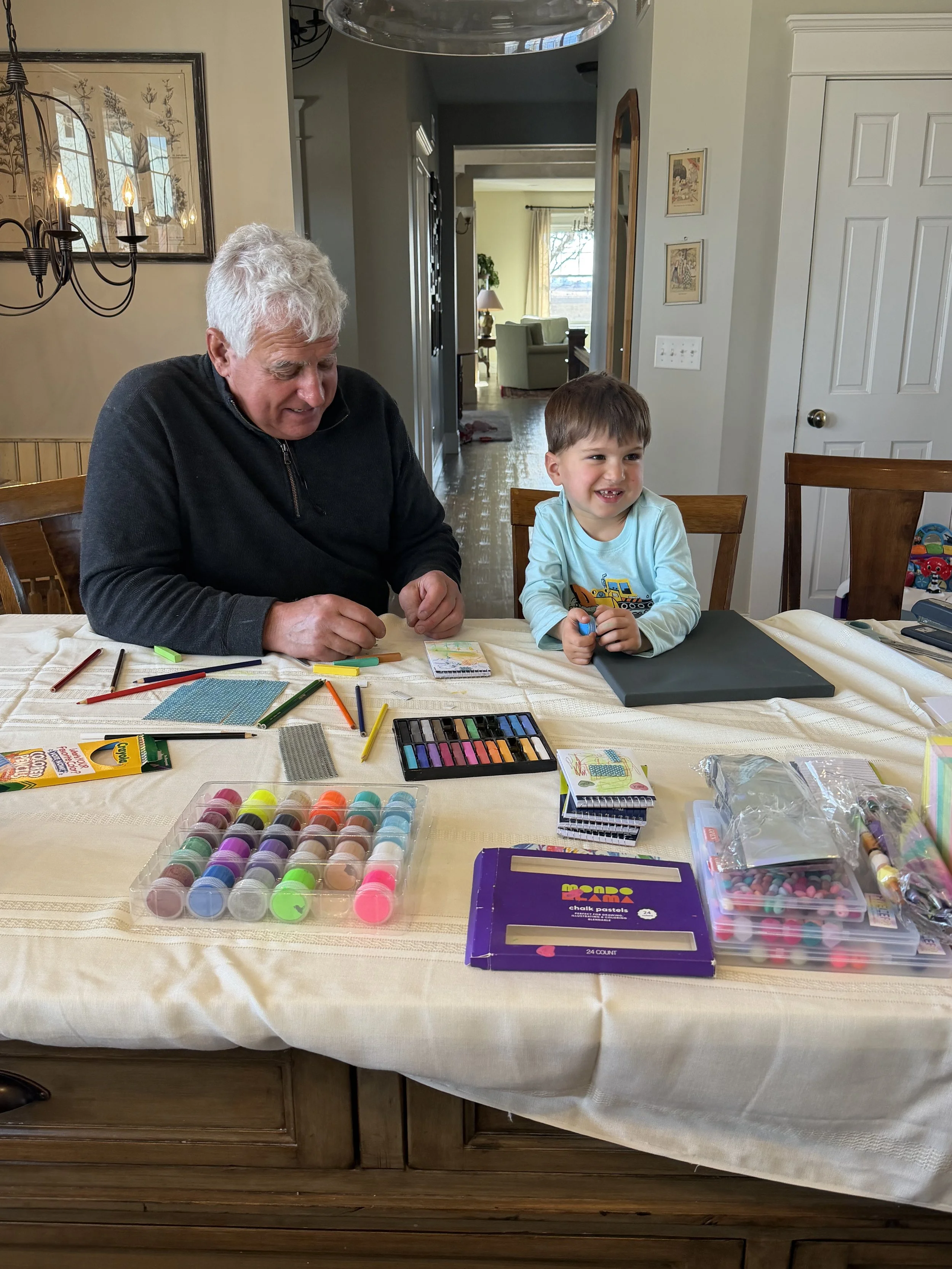
My dear dad, Jim Barth and nephew, Mike never miss a creative opportunity together.
Growing up, I was surrounded by entrepreneurs. People who were constantly figuring things out, building, adjusting, and trying again. Creativity was not something we talked about directly. It was just how we lived. It showed up in how we solved problems, how we navigated challenges, and how we moved forward when there was no clear path.
At the time, I took that for granted.
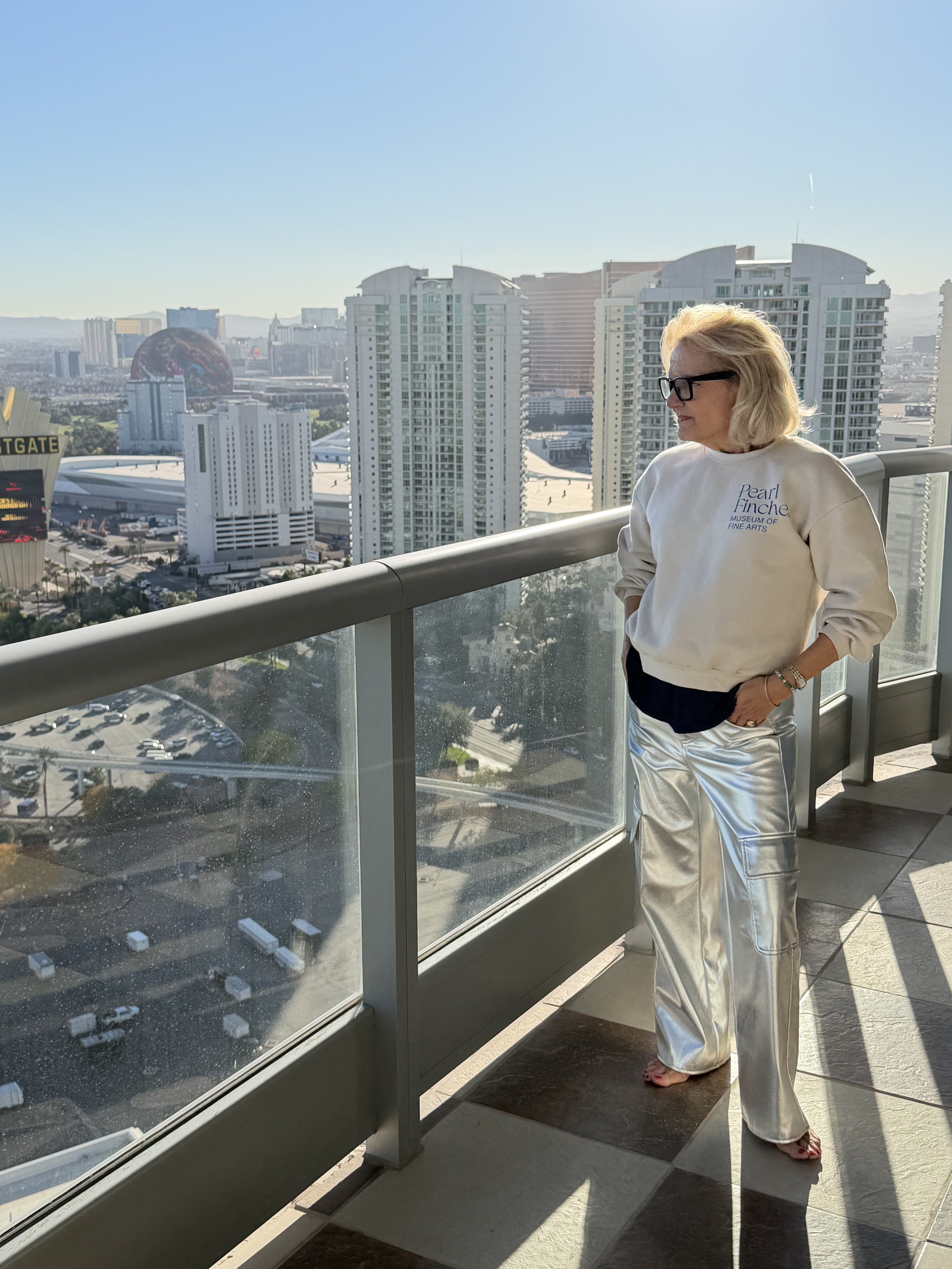
My Auntie, Tina Heinz endlessly supporting fun and curiosity.
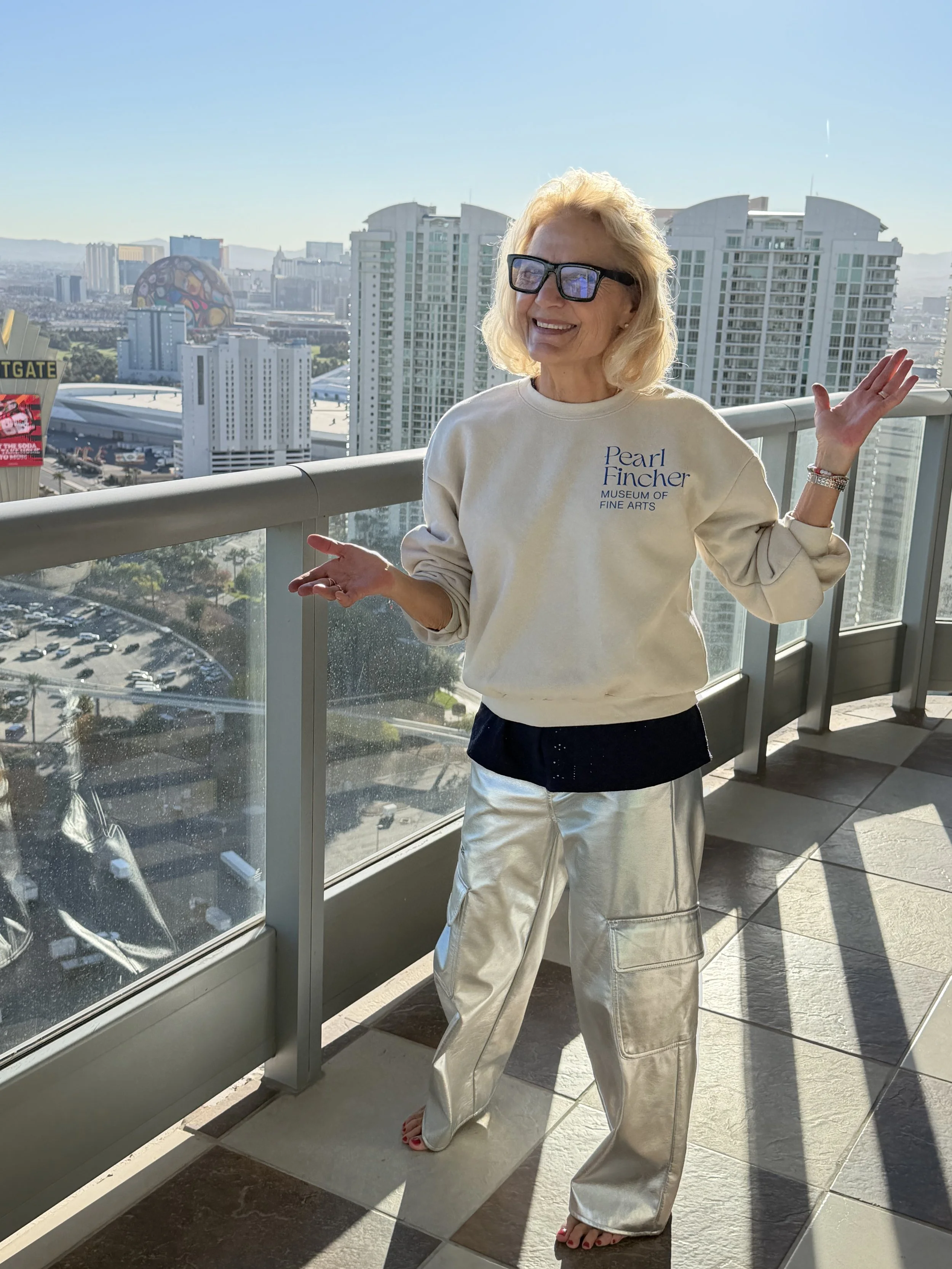
It was not until much later, when I began to see the opportunities in my own life, that I understood how much those early experiences shaped me. So many of the doors that opened, so many of the moments that mattered, were not because I had the perfect answer. They were because I knew how to think differently.

Laura Rose Barth and Calvin Gin filming for Digital Handshake.
Now when I look around, I see something shifting.
We have made so many things easier. Faster. More efficient. Technology has given us incredible tools, and I am grateful for that. But in the process, I worry that we are losing something important.
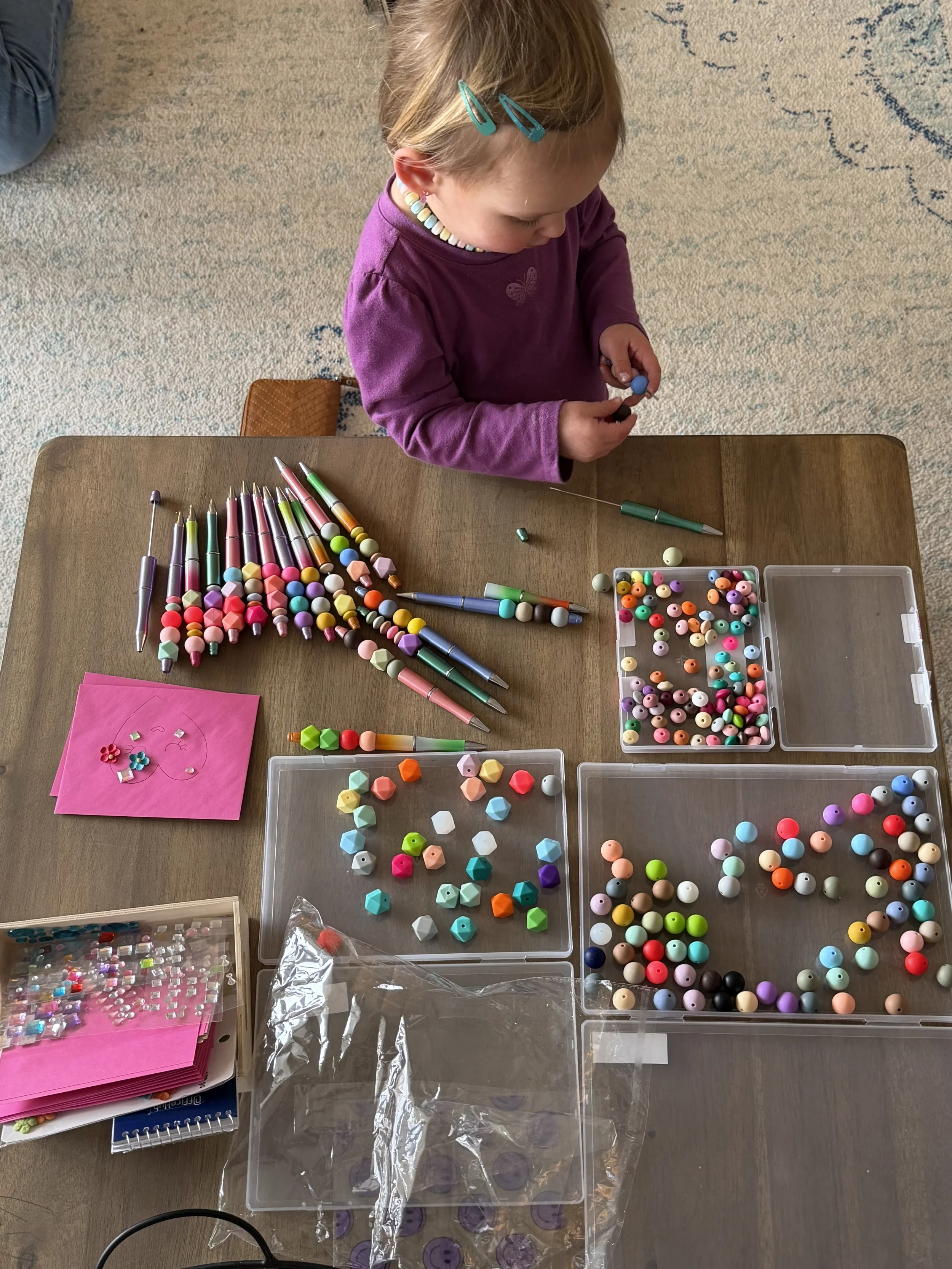
My niece, Selah, forever curious.
We are not being pushed to think as deeply.
We are not being challenged to be as resourceful.
We are not practicing how to move from one idea to the next when the answer is not obvious.
Creativity has quietly become something optional.
And I do not believe it is optional.
I believe it is the difference between following a path and creating one.
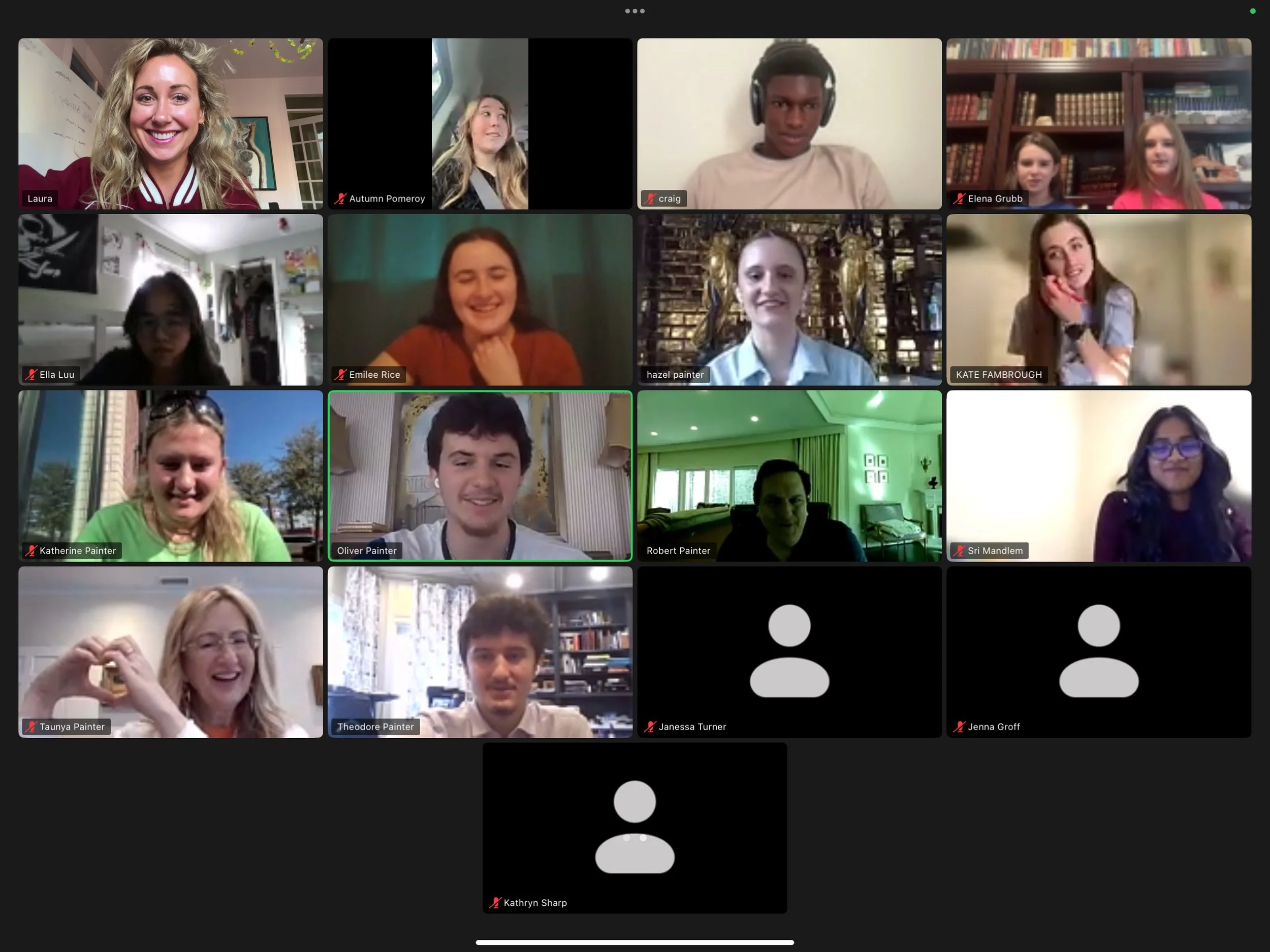
Dear friends, Robert and Taunya Painter invited me to join a UN initiative with a group of teens and speak on creativity.
I believe it is what will set the next generation apart, not just in school or in their careers, but in how they lead, how they solve problems, and how they shape the world around them.
The good news is that this is not something we have lost. It is something we can choose to rebuild.
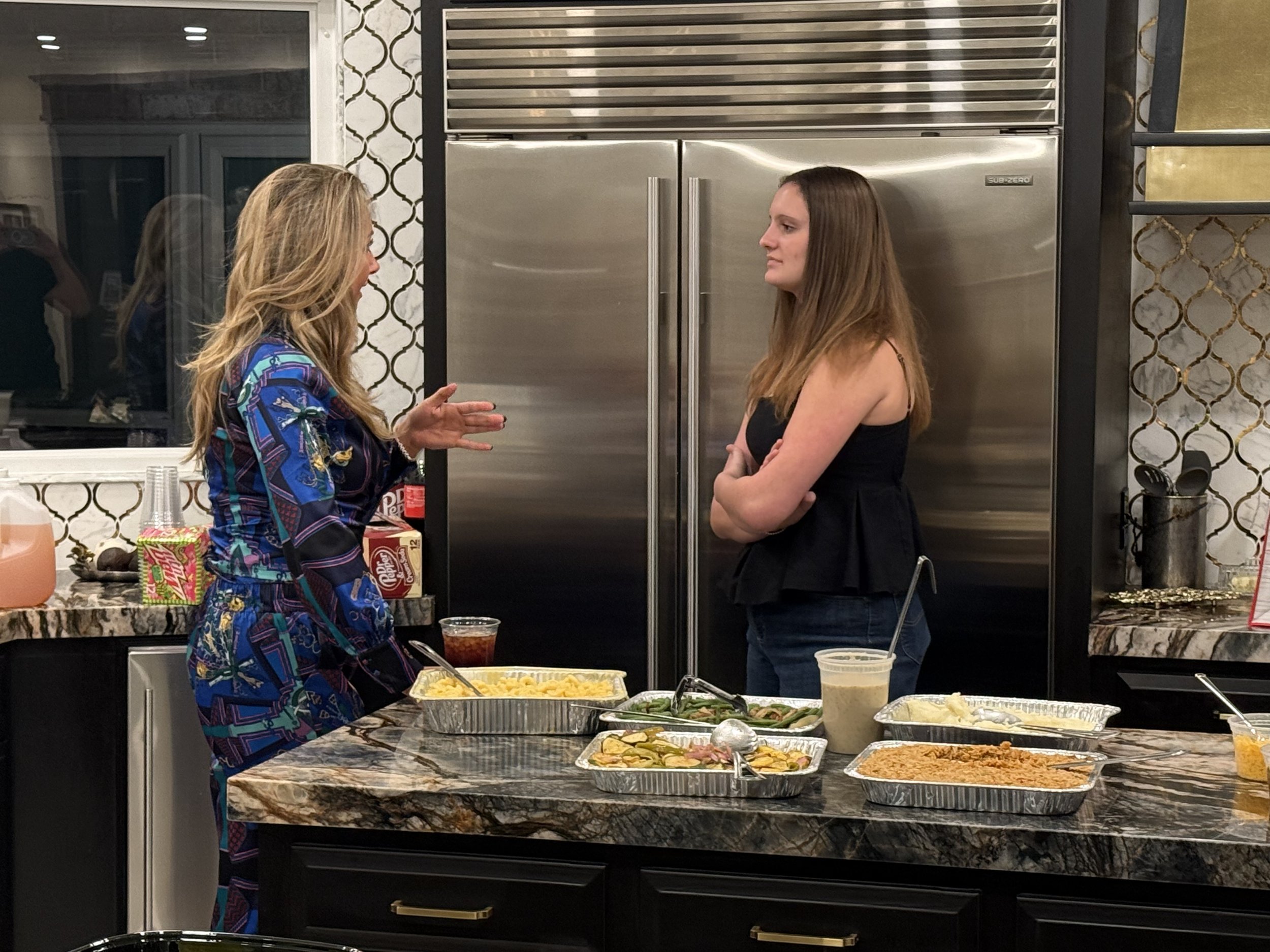
Hazel Painter hosts a teen dinner round table about business.
I saw that firsthand at the Pearl Fincher Museum of Fine Arts.
When I first joined, I expected to play a small role. (Thank you for pushing me, Dr. Shah Ardalan!) It was my first time serving on a serious board, and I was stepping into a room filled with people who had decades more experience than I did. I was there to learn, to observe, and to contribute where I could.
But then something shifted.
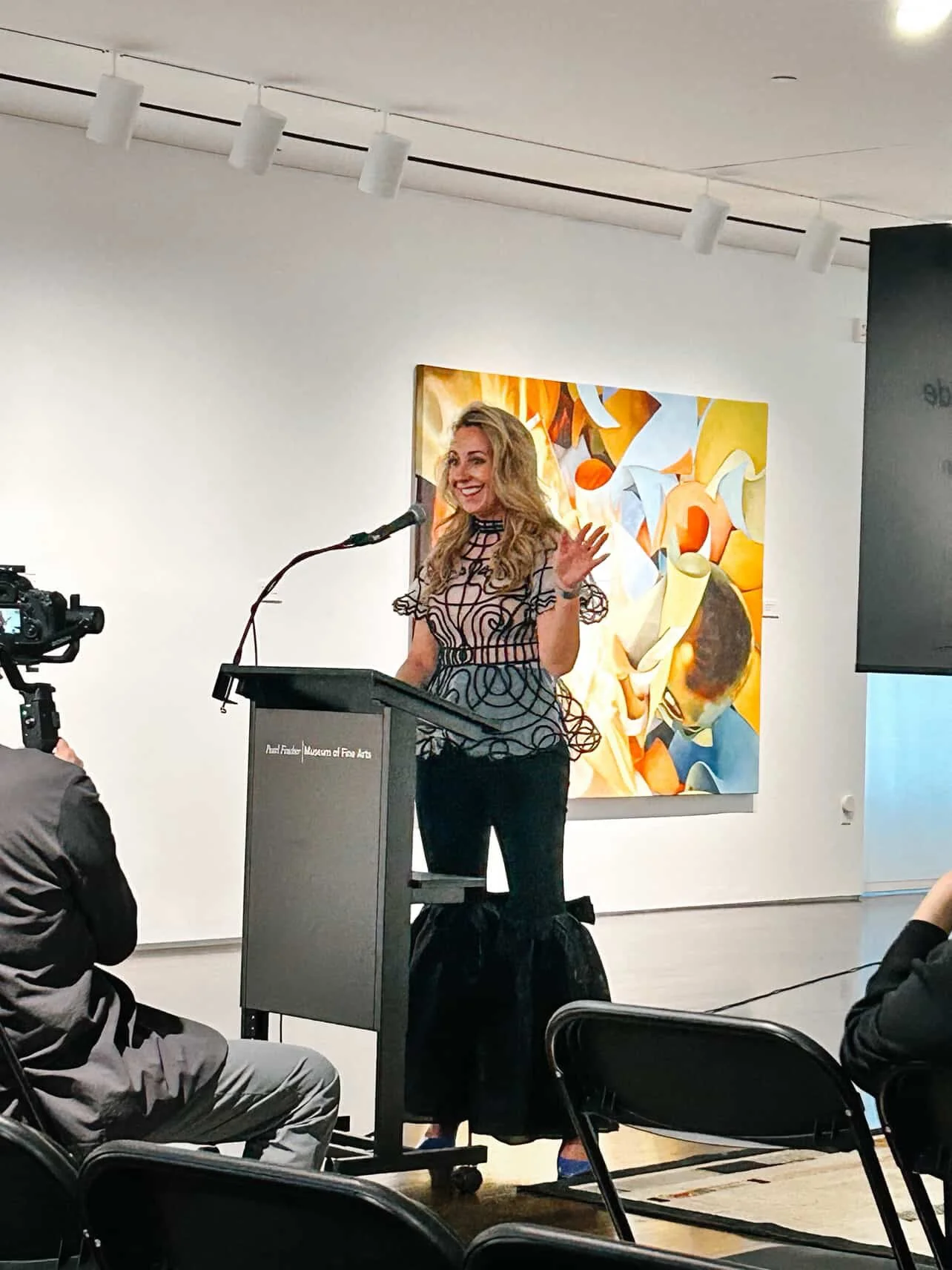
Pearl Fincher Annual Meeting, Laura Rose Barth introducing YAC.
We found ourselves without a Director of Education, and there was a gap that needed to be filled. What I thought would be a passive experience became something much more active. I stepped in to help lead the Youth Art Council, a group of thoughtful, talented teens who were already doing incredible work.
What I experienced in that moment changed me.
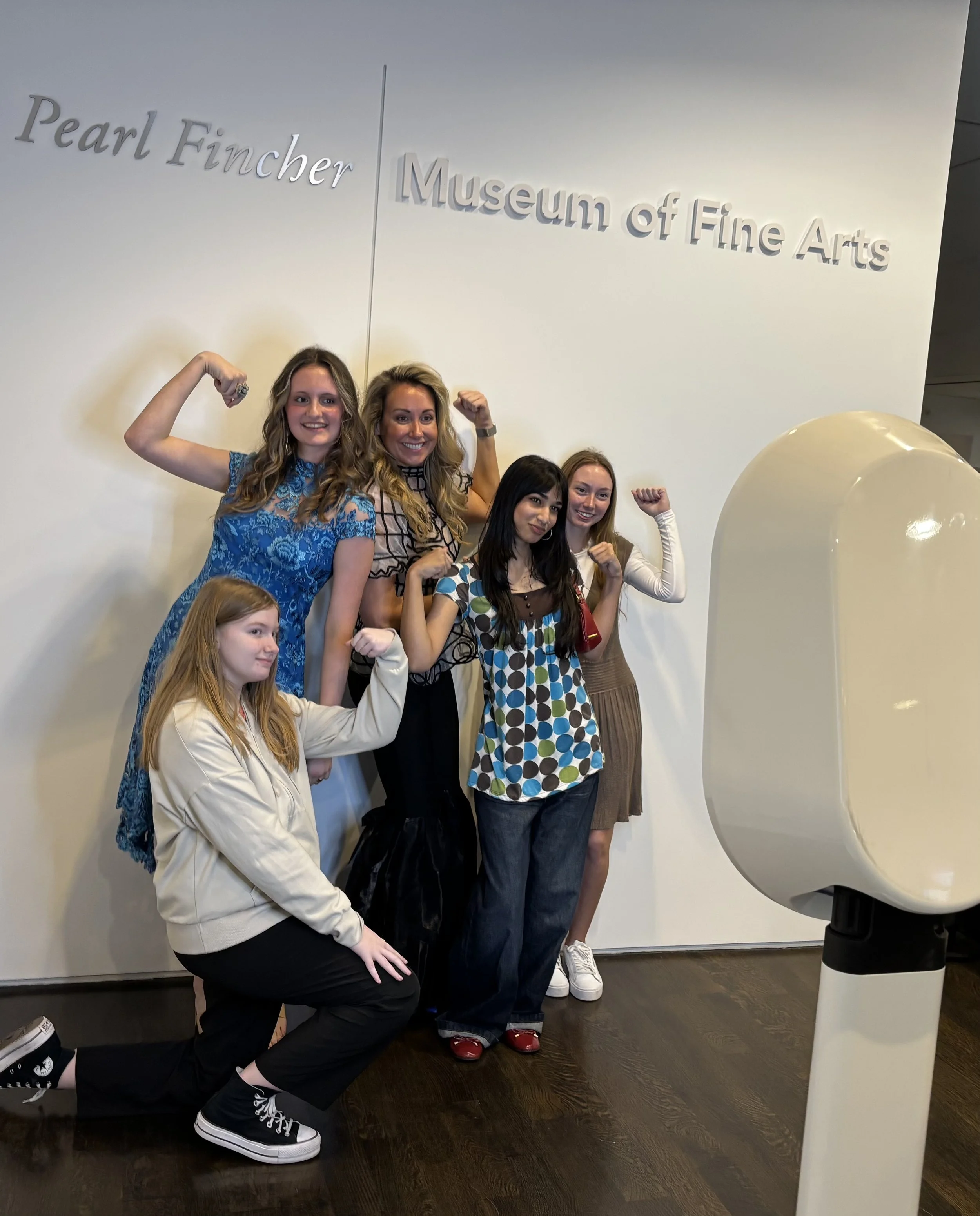
YAC 2026 members attend and speak at the Pearl Fincher Annual Meeting.
These students did not lack ideas. They did not lack capability. What they needed was space. Encouragement. Connection. They needed to feel that their voices mattered and that they were capable of leading something real.
And when they were given that opportunity, they rose to it.
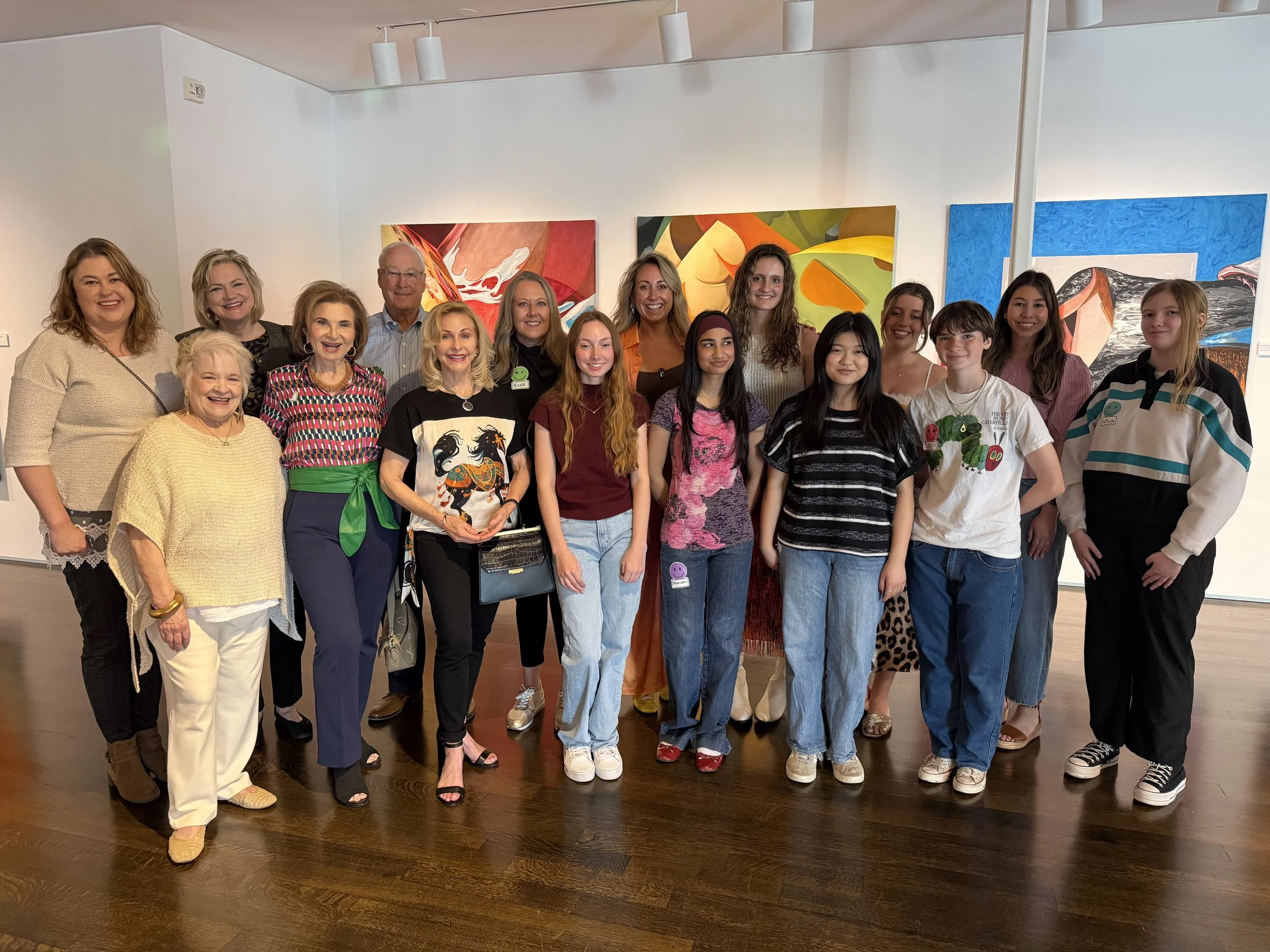
YAC hosts the spring student art show and is supported by the Pearl Fincher Board of Directors.
Watching them connect with our board members was one of the most meaningful parts of the experience. You had individuals who have spent years investing in their community, sitting alongside teens who are just beginning to understand their own potential. There was a genuine exchange. Support. Curiosity. Respect.
You could feel something building.
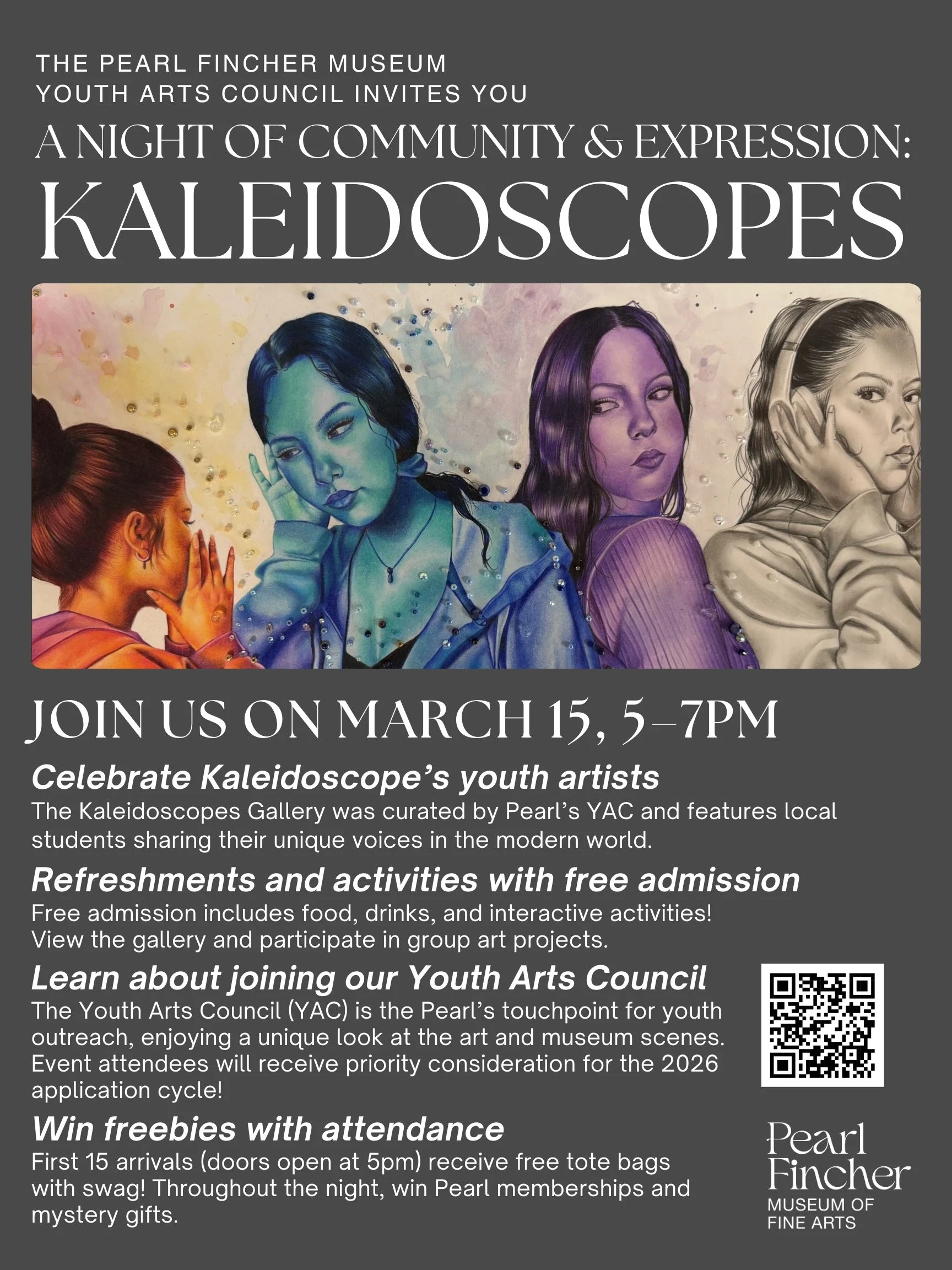
This spring, that energy came to life through a student art show and opening event that the Youth Art Council helped lead.
It was not perfect. It was not scripted. It was something better than that.
Everyone showed up.
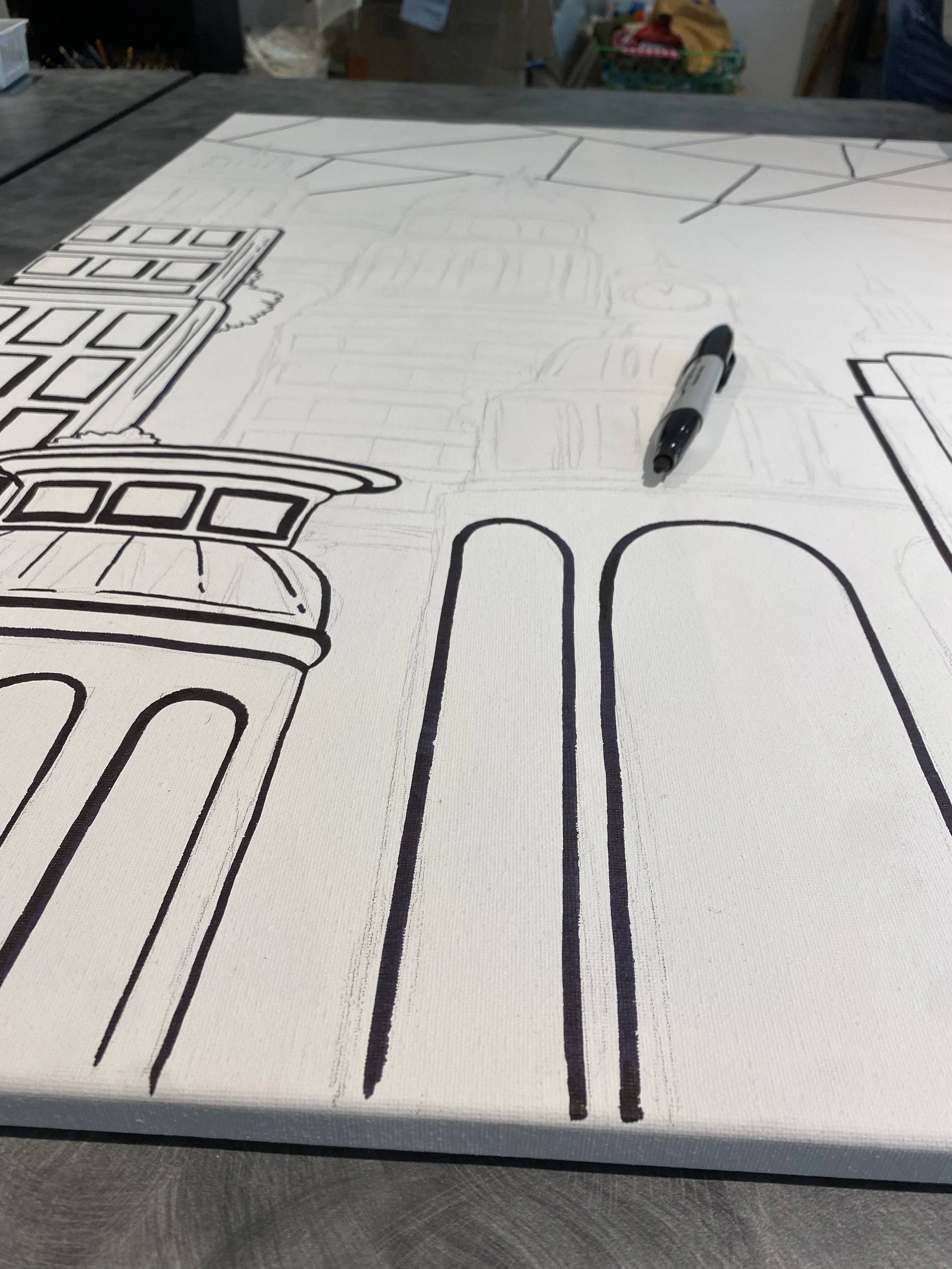
They showed up to think.
To solve.
To support one another.
To create something that did not exist before.
And in that process, you could see it happening. You could see confidence growing. You could see ownership taking hold. You could see what becomes possible when young people are trusted to step into something bigger than themselves.
That is what gives me hope.
Because when I think about the future, I do not just see challenges. I see possibility.
I see a generation that, if given the chance, will think differently. Will lead differently. Will solve problems in ways we have not yet imagined.
But that only happens if we create the environments that allow them to practice those skills.
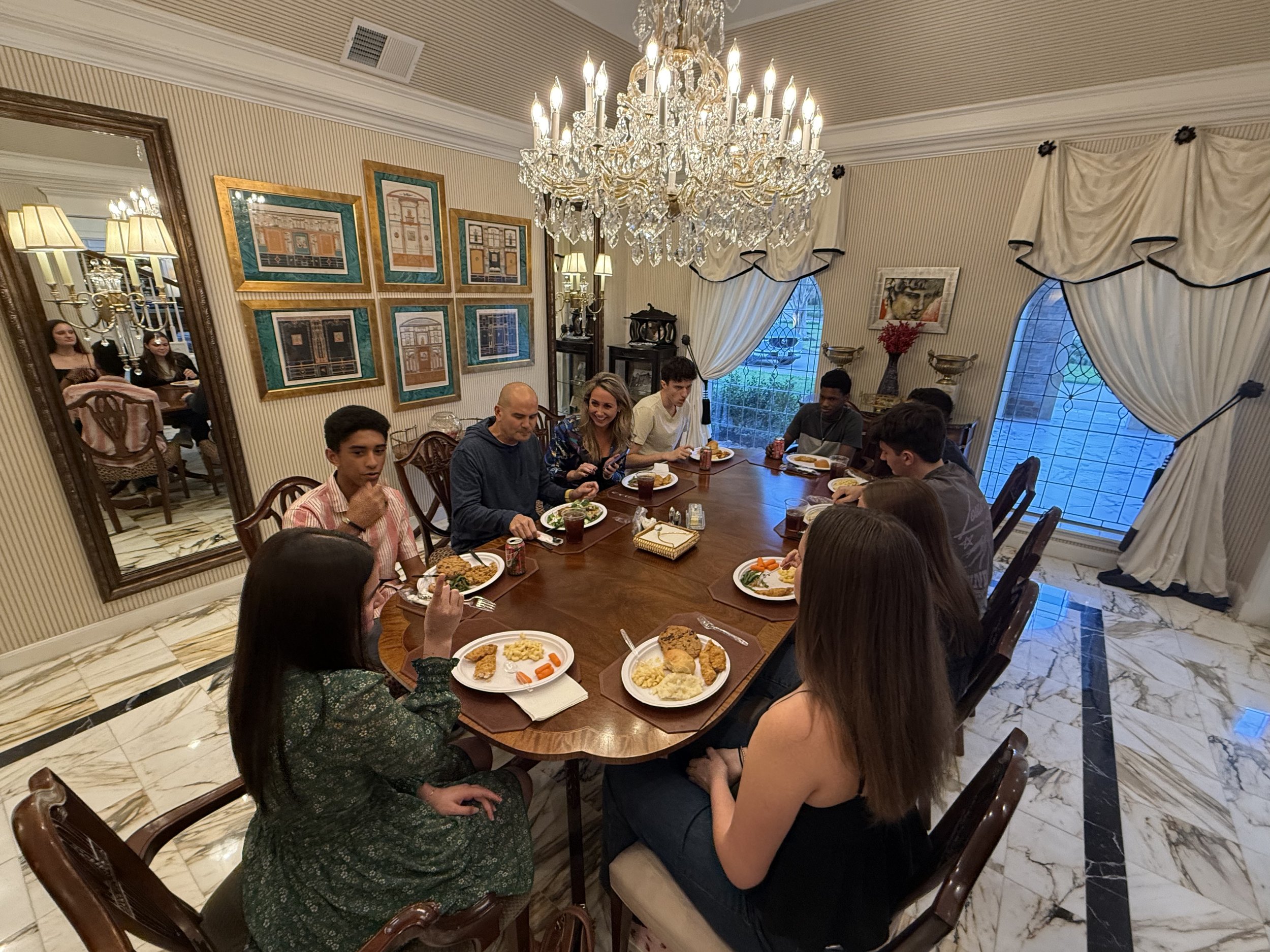
Hazel Painter hosts a round table for students to learn about Luby’s and what it’s like to run a restaurant company.
If we treat creativity not as an extra, but as essential.
If we remember that the goal is not just to prepare kids for the next step, but to prepare them to shape what comes next.
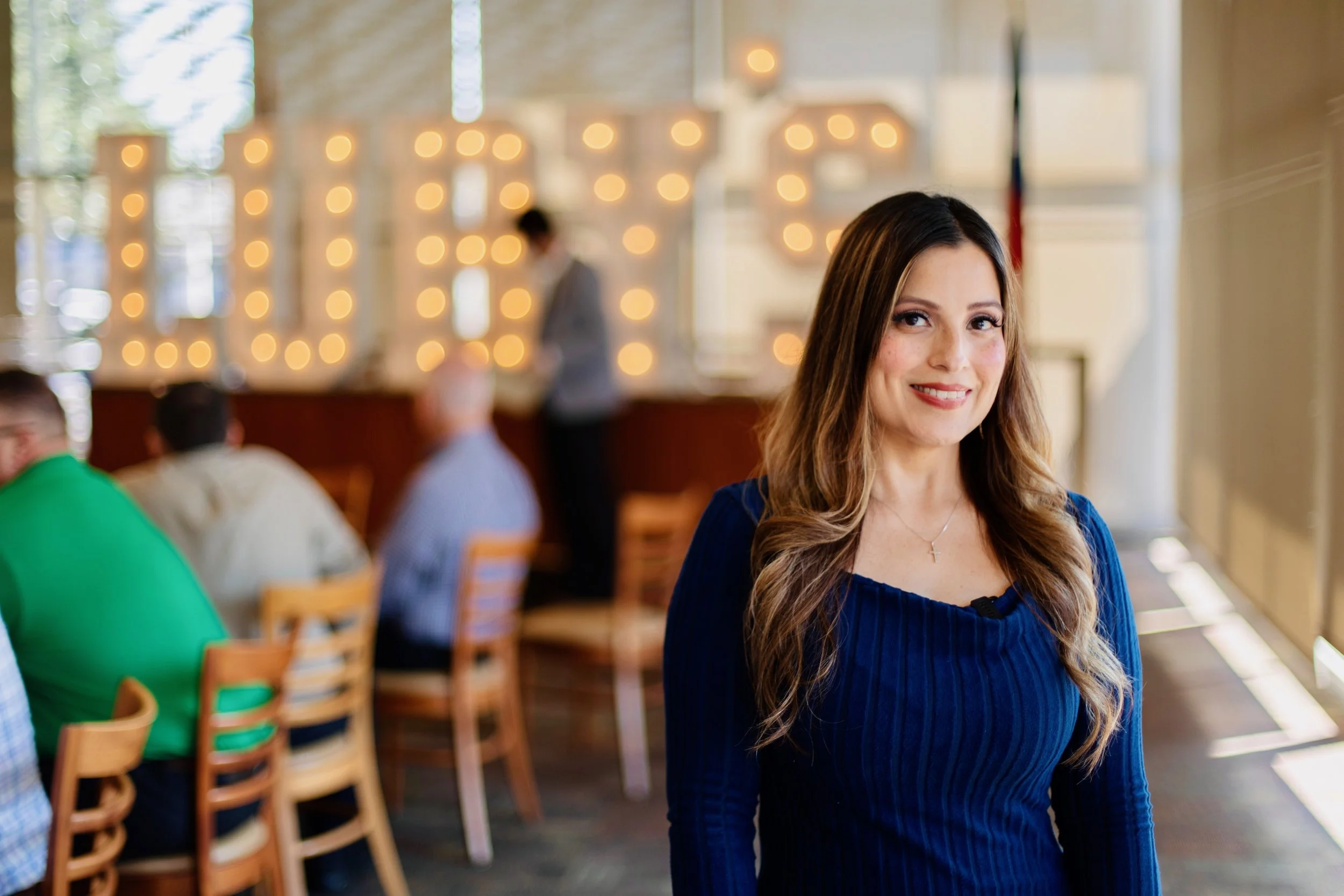
Christina Garza, Luby’s Director | Market Growth Support & Customer Care. Being a responsible business is about volunteerism. Through Luby’s Christina serves on the production committee at the Pearl Fincher Museum of Fine Art sharing her expertise, but also commitment to the next generation of leaders.
The creative problem solvers of today will become the leaders of tomorrow.
And the question for all of us is simple.
Are we giving them the chance to become who they are capable of being?
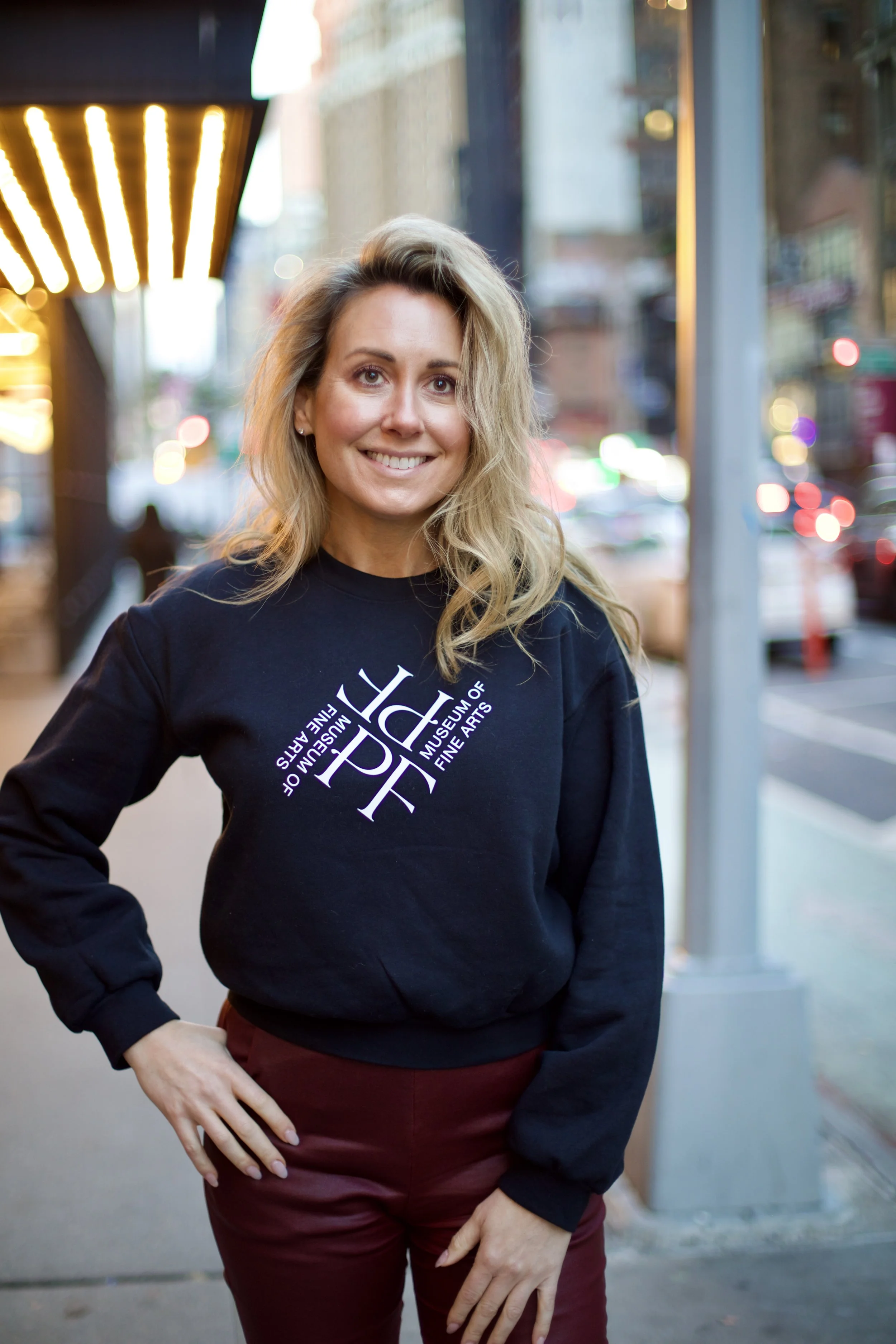
Laura Rose Barth serving as VP on the Pearl’s board connects dots between business and volunteerism thanks to Luby’s.
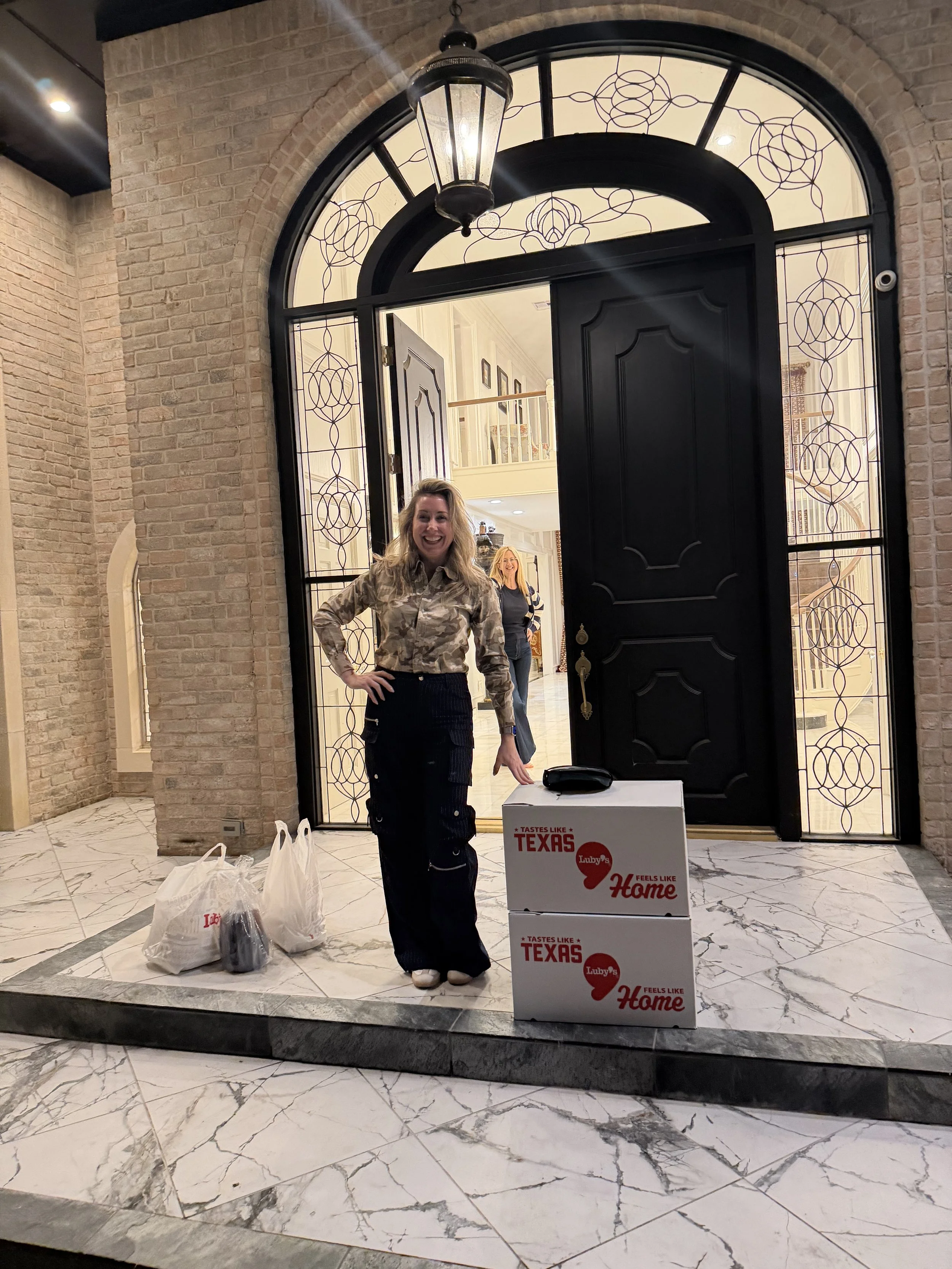
Sharing a meal connects us and sponsoring students fills our hearts! Thank you, Taunya Painter, for your incredible hospitality!
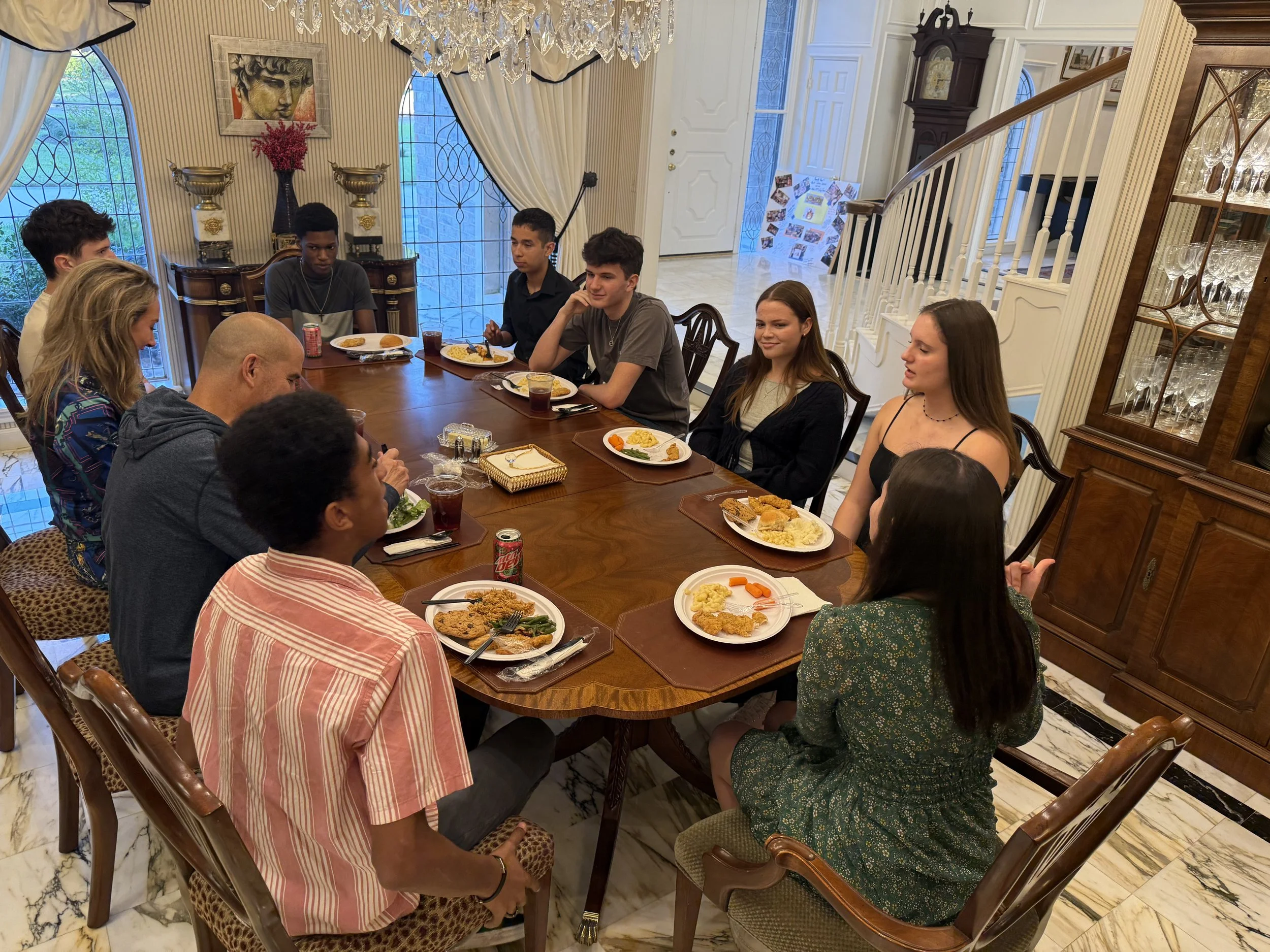
Share a meal, share ideas, share creative solutions.
